For years, Quick Commerce in India was associated with one thing: last-minute needs.
Milk. Bread. Eggs. Maggi. Cold drinks.
Need it in 10 minutes? Open an app.
But scroll through Blinkit, Zepto, or Swiggy Instamart today, and you’ll notice something interesting.
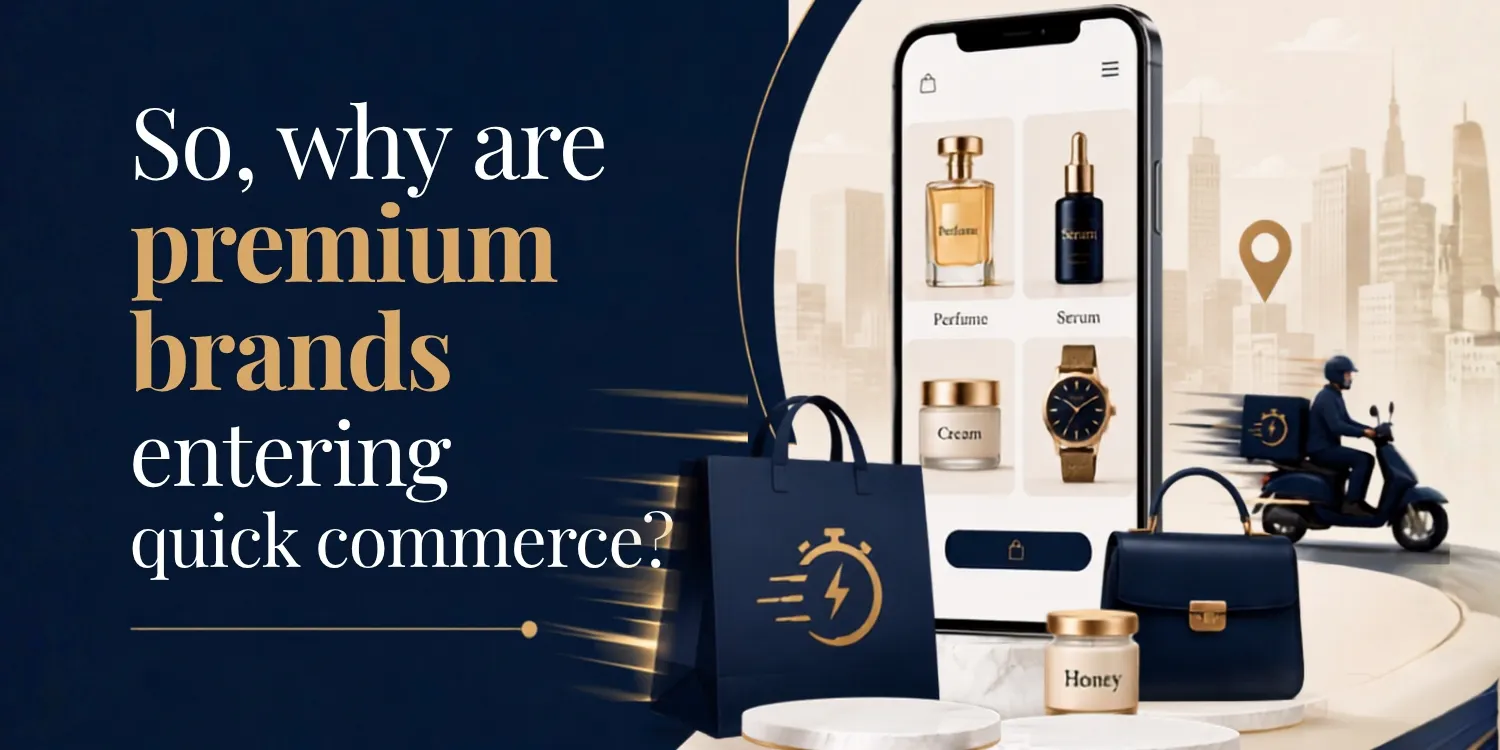
Premium coffee worth ₹800, Imported chocolates, Luxury skincare, Artisan snacks, High-end pet food, Even gadgets and fragrances.
This raises an important question:
Are Indian consumers actually buying premium products on Quick Commerce, or are these products simply filling digital shelf space?
Let’s look at what the data and consumer behavior suggest.
The Evolution of Quick Commerce in India
India’s Quick Commerce market has evolved rapidly over the last few years.
What began as a solution for urgent grocery purchases has expanded into categories like:
• Beauty & personal care
• Health & wellness
• Gourmet food
• Baby care
• Pet supplies
• Electronics accessories
• Home essentials
• Premium beverages
The reason is simple:
Consumers no longer open these apps only when they’re “out of milk.”
They open them multiple times a week - sometimes multiple times a day.
The more frequently customers visit the platform, the more opportunities brands have to sell products beyond basic essentials.
Premium Doesn’t Mean Luxury
One common misconception is that premium equals luxury.
In reality, premium products solve one of three needs:
• Better quality
• Better experience
• Better convenience
A customer may happily spend ₹700 on specialty coffee because it delivers a superior experience.
The same customer may purchase a ₹1,200 skincare serum because they trust the brand.
Premium purchases are often driven by perceived value rather than urgency
1. Visibility Creates Discovery
Millions of Indian consumers now browse Quick Commerce apps every week. Even if they don’t intend to buy a premium product, repeated exposure builds awareness. A consumer ordering bread may discover a premium chocolate brand they had never noticed before. Digital shelf visibility matters.
2. Impulse Purchases on Quick Commerce Are Increasing
Quick Commerce is designed for speed. The less time consumers spend comparing products, the more likely they are to make impulse purchases. Limited-time offers, product recommendations, and attractive visuals encourage customers to try something new. This benefits premium brands that rely on trial purchases.
3. Convenience Is Becoming a Premium Feature
Many urban consumers are willing to pay more if it saves them time. For busy professionals, parents, or young adults, paying a little extra for immediate delivery often feels worthwhile. Convenience itself has become part of the product’s value.
But Premium Brands Face Real Challenges on Quick Commerce
Quick Commerce isn’t the right fit for every premium brand.
Limited Assortment
Dark stores have finite storage space.
Platforms prioritise products with consistent demand.
Slow-moving premium products may struggle to secure long-term placement.
Margin Pressure
Quick Commerce involves:
• Platform commissions
• Advertising costs
• Promotional discounts
• Logistics expenses
Premium brands need healthy margins to remain profitable after these deductions.
Customer Expectations
Premium customers expect:
• Excellent packaging
• Fresh inventory
• Reliable availability
• Authentic products
One poor delivery experience can negatively impact brand perception.
Which Premium Categories Are Performing Well on Quick Commerce?
Several categories appear particularly well suited to Quick Commerce:
• Premium chocolates and snacks
• Specialty coffee
• Beauty and skincare
• Pet care
• Baby products
• Health supplements
• Organic foods
• Personal wellness products
These categories often combine repeat purchases with higher perceived value.
Not every premium brand benefits from this channel.
Products that require extensive research, demonstrations, or long consideration periods may perform better through traditional e-commerce or offline retail.
Examples include:
• High-end furniture
• Luxury fashion
• Premium appliances
• Expensive electronics
Customers usually compare options before making these purchases.
The Real Quick Commerce Opportunity for Premium Brands
The biggest opportunity isn’t simply selling premium products. It’s becoming part of the customer’s regular shopping routine. When consumers repeatedly open Quick Commerce apps for everyday essentials, brands have a chance to earn visibility, trust, and eventually repeat purchases. For premium brands, success depends less on price and more on relevance, availability, and delivering a great customer experience.
Final Thought
Quick Commerce is no longer just about delivering products in 10 minutes. It’s reshaping how consumers discover, evaluate, and purchase brands. For premium brands, the question is no longer:
“Can we sell on Quick Commerce?”
The better question is:
“Does our product solve a need that customers are willing to fulfil instantly?”
Because in today’s market, speed may attract the first purchase — but value is what drives the second.
Final Word
The e-commerce winners of 2026 won't be the ones who picked a single channel. They'll be the ones who built the complete system social media for attention, a website for conversion, and marketplaces for scale.
If you're ready to stop renting attention and start owning your brand, NextGen is ready to help.
Let NextGen guide your social media strategy and build the Shopify storefront your brand deserves.
📩 Ready to take the next step? Get in touch with NextGen today and book your consultation.
— The NextGen Team
Book a Consultation Today!
Free consultation • Fast response
Let’s discuss your growth plan
Share your requirements and we’ll suggest the best next steps for your store, ads, and performance.
- Store & catalog review
- Ads & ROAS audit
- Setup & onboarding
- Actionable roadmap
Prefer email? [email protected]