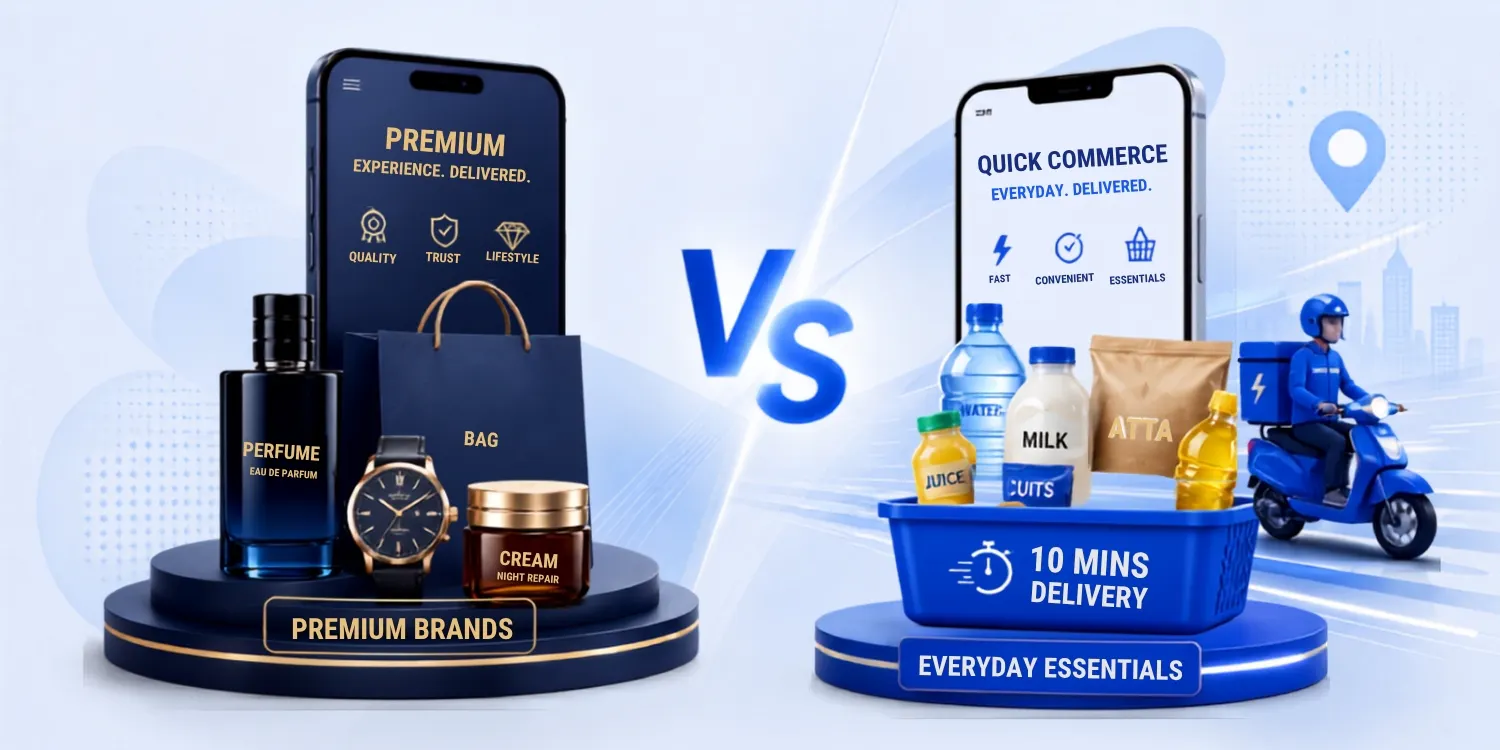
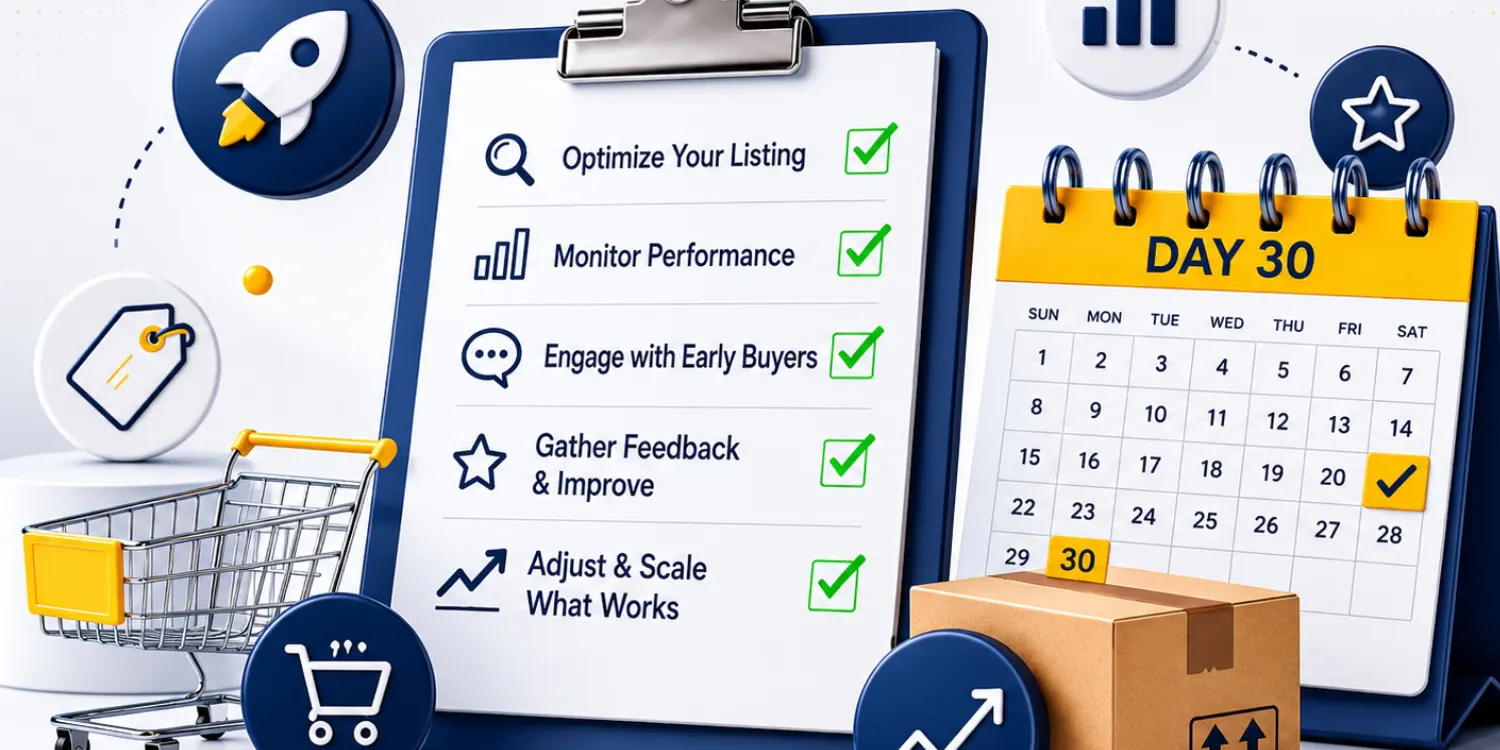
There was a time when people went out to buy groceries with a list.
Now we open an app for one packet of chips… and somehow end up buying Greek yogurt, protein bars, a scented candle, two soft drinks, and "Buy 1 Get 1" almonds we never needed in the first place.
Congratulations.
You just spent ₹742 to save 15 minutes and Extra Delivery Fees,
Welcome to the beautifully chaotic world of quick commerce where apps promise convenience, but quietly turn your wallet into a sacrificial offering.
The "10-Minute Delivery" Trap
Quick commerce platforms like Blinkit, Zepto, and Swiggy Instamart are no longer just delivery apps.
They are psychological masterminds dressed as grocery stores.
Think about it. You open the app for Maggi, milk, and toothpaste. And suddenly:
- "Add ₹89 more for FREE delivery"
- "People also bought ice cream"
- "Only limited stock left"
- "Flat 40% off"
- "Buy now before midnight"
Brother… I came here for bread. Why I am emotionally attached to imported cookies now?
Free Delivery Is the Greatest Scam We Happily Love
Consumer behaviour studies worldwide show customers spend significantly more when chasing a "free delivery" threshold. And quick commerce platforms know this perfectly.
A customer trying to avoid a ₹30 delivery fee often ends up adding ₹200 - ₹400 to the cart.
Psychologically, the brain celebrates: "I saved delivery charges."
Financially: you just spent 5x more than planned.
That's not saving money. That's paying a premium to feel smart.
A dangerous combination and not an accident. The unit economics of quick commerce are brutal: on a ₹100 order, ₹40–₹50 can go to delivery and another ₹20–₹25 to operations. The only clean path to profit is getting you to spend more per order. Which is exactly why every nudge on that screen is engineered to grow your cart platform.
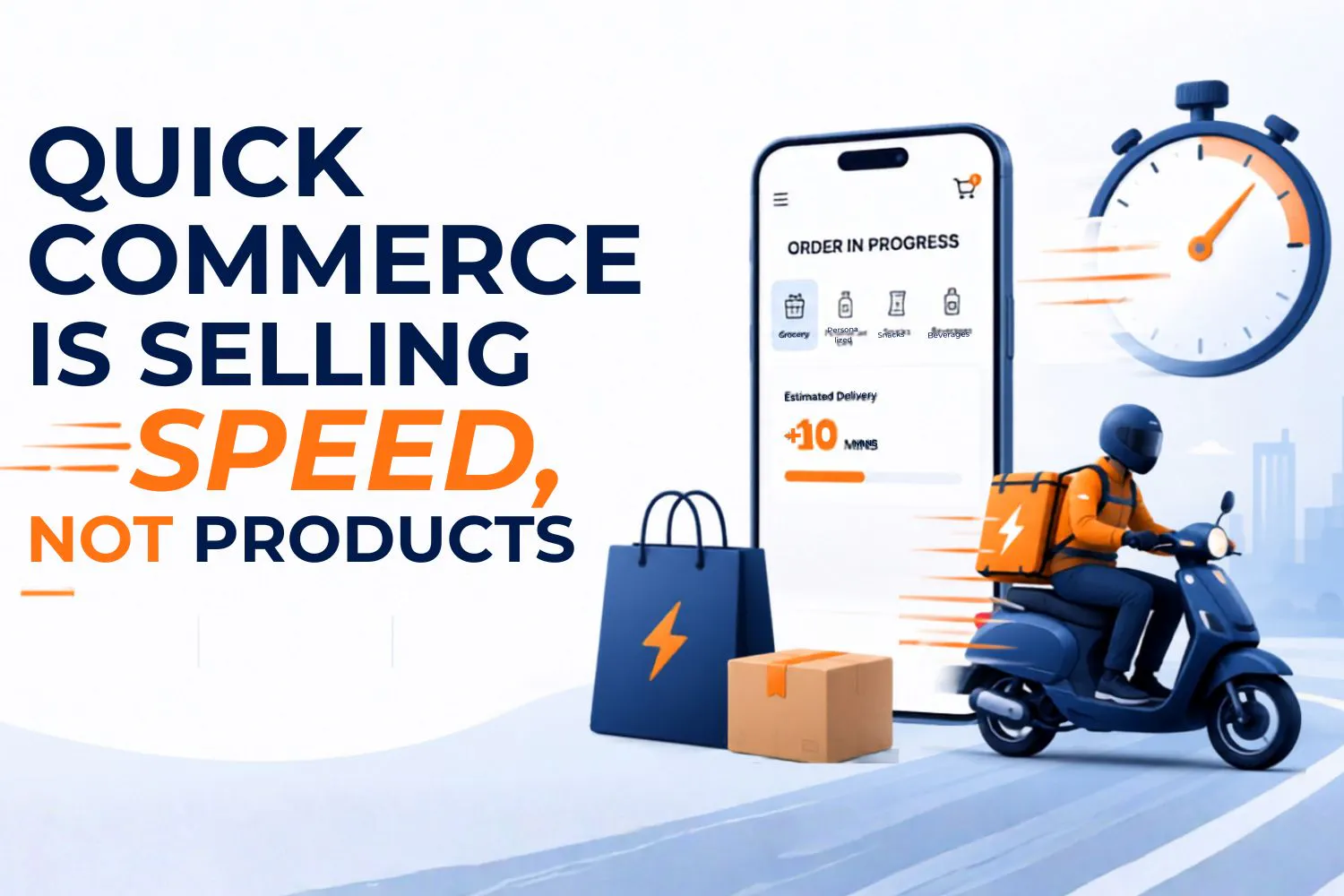
Here's the business model nobody talks about. Quick commerce companies aren't just selling groceries. They're selling:
- Impatience
- Convenience
- Instant gratification
- Laziness with premium packaging
And honestly? It's working brilliantly. India's quick commerce market crossed roughly ₹64,000 crore (about $7.6 billion) in gross order value in FY 2025 - more than double the year before and now accounts for nearly one-third of online FMCG purchases in some urban households.
Especially in metros: traffic is exhausting, work hours are longer, and weekends disappear instantly. So paying extra for a 10-minute delivery feels emotionally justified.
The apps understand modern consumers better than consumers understand themselves.
That's the scary part.
The "Dark Store" Revolution Nobody Sees
Behind every 10-minute delivery is a hidden network called "dark stores."
Sounds dramatic. Because it is.
These are mini-warehouses usually just 1,000 – 2,000 sq ft placed strategically across cities to make deliveries insanely fast. No fancy aisles. No music. No browsing. Just shelves, packaging, speed, and delivery riders fighting traffic like they're in a Fast & Furious sequel.
And the scale is staggering. As of early 2026, India has crossed 4,000 operational dark stores, Blinkit alone runs close to 2,000 spread across 400+ cities in 26 states, with each store covering a tight 3–4 km radius. Blinkit is targeting 3,000 of its own by March 2027.
India's dark-store expansion is aggressive because the quick commerce race is no longer about survival. It's about domination.
Whoever controls speed… controls consumer habits.
And once habits change, markets change forever.
But Here's the Plot Twist: Customers Are Addicted
Quick commerce is slowly becoming less of a convenience and more of a reflex.
Feeling thirsty? Open app. Forgot shampoo? Open app. Midnight craving? Open app. too lazy to walk 200 metres for Favourite Ice Cream? Definitely open app !!!
The scary thing isn't the delivery speed. It's how quickly humans adapt to it. After months of 10-minute delivery, waiting even one day for a product suddenly feels illegal.
Amazon Prime changed our patience. Quick commerce completely destroyed it.
Sellers Are Winning… and Suffering
For sellers, quick commerce is both a dream and a migraine.
The good part: faster visibility, more impulse purchases, high repeat orders, and customers buying more frequently than ever.
The painful part: heavy discount pressure, lower margins, platform commissions, ad-spend wars, and constant inventory pressure.
Because in quick commerce, visibility is everything. If your product isn't in the first few scrolls, it practically doesn't exist.
It's like modern-day supermarket shelf wars… but powered by algorithms instead of eye contact.
The Human Cost Nobody Talks About
While customers enjoy 10-minute deliveries, delivery riders face intense pressure. Faster promises mean tighter deadlines, unsafe driving risks, and unrealistic expectations.
Consumers casually complain: "Why did it take 14 minutes?"
Meanwhile the rider crossed traffic, heat, rain, potholes, and possibly three life decisions to deliver your chocolate milkshake.
Quick commerce made convenience look magical.
But magic usually has someone suffering backstage.
Not really. It's revolutionary. But it's also changing consumer behaviour faster than most people realise.
Quick commerce saves time, effort, and convenience stress. But it quietly increases impulse spending, dependency, and unnecessary consumption.
The real problem isn't the apps. It's that humans are incredibly easy to influence when comfort becomes instant and these platforms have mastered that science perfectly.
What This Means for Sellers and How NextGen Helps
Strip away the psychology, and one fact stays standing: quick commerce is now one of the fastest-growing sales channels in India, projected to keep compounding at around 40% a year. For sellers, the question isn't whether to be on these platforms it's whether your business is built to survive the margin pressure once you're there.
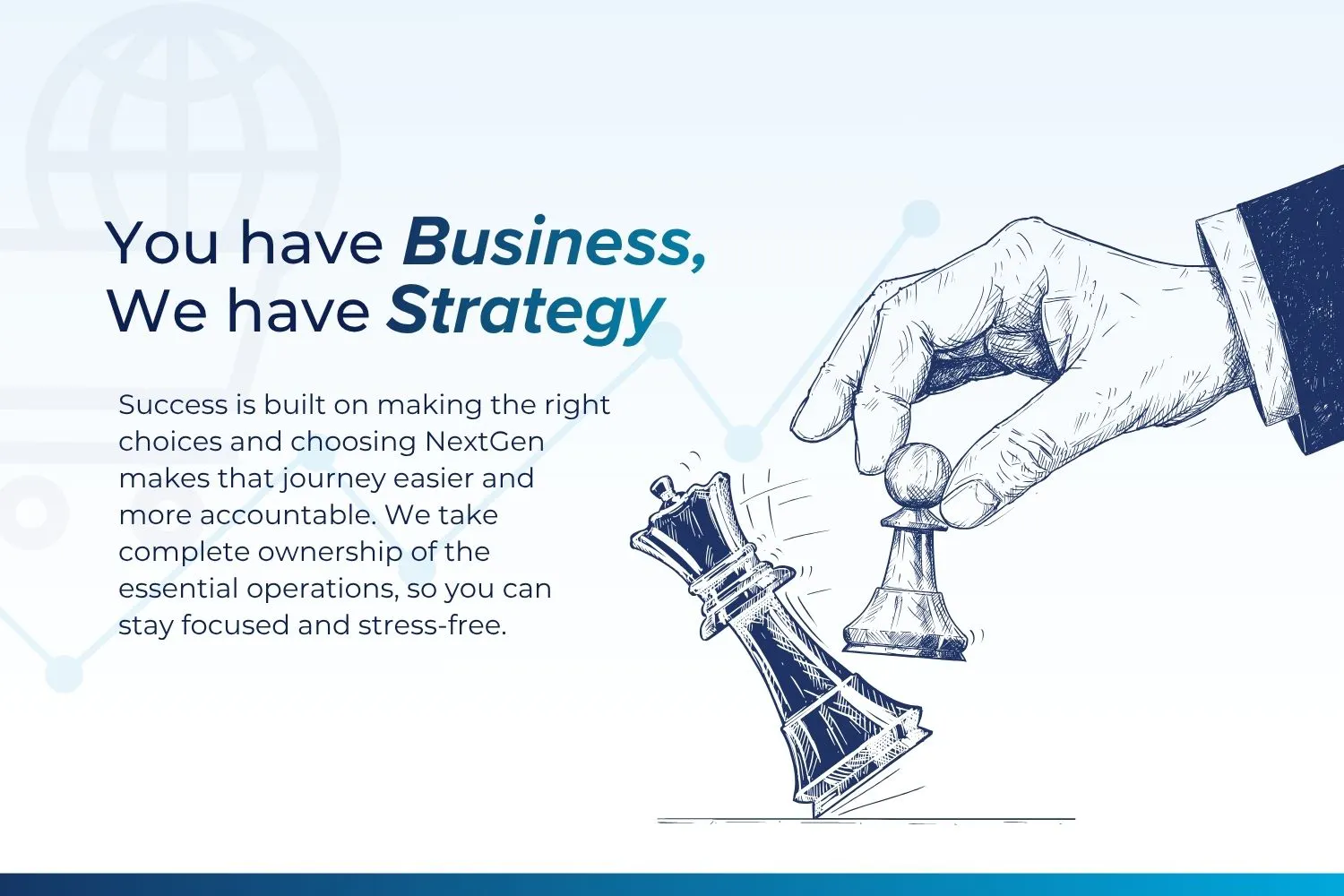
That groundwork is exactly what NextGen handles, so you can compete on the shelf instead of drowning in paperwork:
Here’s the revised version with the e-commerce related points added smoothly:
That groundwork is exactly what NextGen handles, so you can compete on the shelf instead of drowning in paperwork:
· FSSAI licensing — non-negotiable for groceries, snacks, beverages, and packaged foods, which make up the bulk of quick-commerce carts. No valid licence, no listing.
· GST registration & filing — the base requirement to supply any platform or dark-store network, with returns filed on time so your payouts and listings never get stuck.
· Company, LLP & firm registration — a proper legal structure so you can sign platform contracts, scale across cities, and look credible to both apps and investors.
· Account management — we handle day-to-day seller account operations, account health issue resolution, listing optimize and modification, performance tracking, and platform coordination so your business runs smoothly.
· Listing optimization — your product should not just be listed; it should be discoverable, attractive, and conversion-ready. We optimize titles, keywords, descriptions, images, and backend content to improve visibility and sales potential.
· Advertising & campaign management — quick-commerce and marketplace growth need smart visibility. We help plan, run, and monitor ad campaigns so your products reach the right customers without unnecessary budget leakage.
· Accounting & advisory — the most underrated weapon in a low-margin channel. We help you track real profit after commissions, discounts, platform charges, logistics, and ad spend — so you don’t end up with big sales and quietly empty pockets.
· Ongoing compliance support — as you expand across states, platforms, and supply points, we keep the regulatory side clean so growth never turns into a notice.
· Management & growth visibility — we help improve your brand’s platform presence through better listing hygiene, visibility planning, performance monitoring, and growth-focused marketplace strategy.
In short: quick commerce rewards speed on the front end and discipline on the back end. You bring the product. We keep the business behind it compliant, profitable, and ready to scale.
Final Thoughts
Quick commerce didn't just change shopping. It changed patience, spending habits, and even human expectations.
Today we say: "I need it in 10 minutes."
Tomorrow we'll say: "Why isn't it here already?"
And somewhere between convenience and consumerism, our wallets silently whisper:
"Please… just go to the supermarket once."
Onboarding and cataloguing
Account management
Management and & Growth visibility
Book a Consultation Today!
Free consultation • Fast response
Let’s discuss your growth plan
Share your requirements and we’ll suggest the best next steps for your store, ads, and performance.
- Store & catalog review
- Ads & ROAS audit
- Setup & onboarding
- Actionable roadmap
Prefer email? care@nbsspl.com